
In Home Care for Elderly NZ - Supporting Your Parent
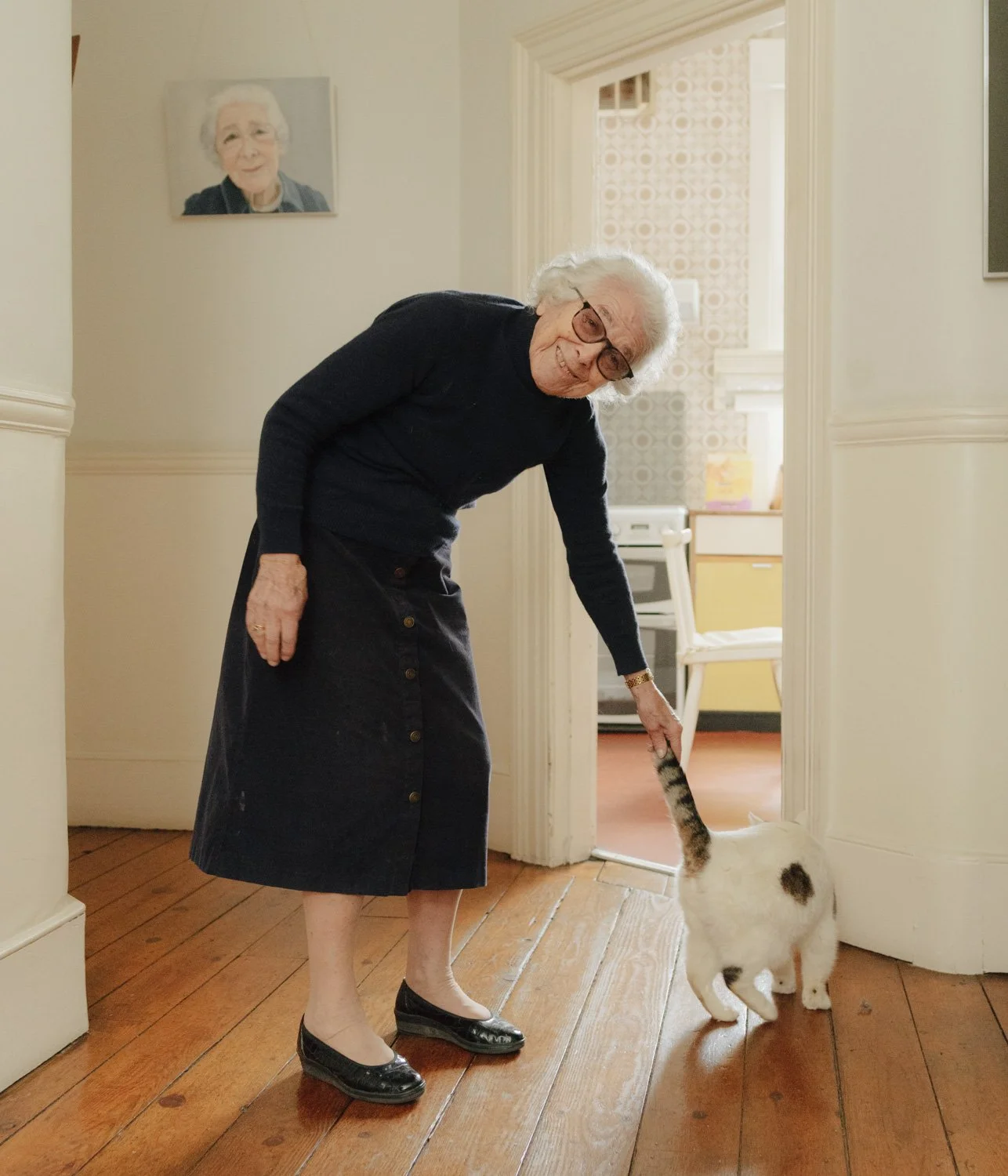
If you're researching in home care for elderly NZ parents, you're almost certainly doing it for someone else. Maybe your mum is no longer eating independently, or your dad has just come home from a major treatment in the hospital. And to compound your worries, you live in another city far from them.
This guide explains what you need to know about what in-home aged care includes and how you can arrange for one.
Quick Summary
In-home care for the elderly in NZ brings a carer into your parent's own home. Your parent keeps living independently in familiar surroundings, from companionship and daily activities to personal care.
It also covers dementia care, 24/7 live-in care and palliative care. After a needs assessment, your parent may be eligible for government-funded support services. Private care can start within days, and costs depend on the hours and level of care involved.
What Is In-Home Care and Who Is It For?
In-home care is professional elder care delivered at your parents' home. Your parent stays where they are instead of moving to a rest home or retirement village. It helps older people live independently in the place they're familiar with, keeping routines and maintaining their quality of life.
One in six New Zealanders is now aged 65 or over. Stats NZ projects the 65+ population will pass one million before 2030. Having in-home care suits the family quietly worried about a parent's decline. It also offers a more supportive and familiar environment for family members arranging urgent support for their elderly after a fall, or a hospital discharge.
What Does In Home Care for Elderly NZ Parents Include?
In-home aged care includes any home care and support your parent needs. That ranges from an hour of home help a week to round-the-clock nursing. Health New Zealand groups publicly funded home support into household help and personal care. Private home care services cover a much wider spectrum, as seen below:
| Type of care | What it looks like day to day |
|---|---|
| Companionship and everyday support | Conversation, outings, meals and daily activities |
| Personal care | Showering, dressing and toileting, handled with dignity |
| Dementia care | A consistent carer who knows your parent's routines |
| Respite care | Short-term cover so the family carer can rest |
| 24/7 live-in care | Round-the-clock support when a parent can't be alone |
| In-home nursing and recovery | Clinical, post-operative and long-term care at home |
| Palliative care | End-of-life care at home, led with sensitivity and dignity |
How Does Home Care Compare to a Rest Home?
For many older adults, in-home care delays or removes the need for residential care. Your parent keeps their own bed, garden and neighbours. Auckland's needs assessment service backs this up. It reports that respite care reduces the risk of older people entering permanent residential care.
If needs are very high, though, a rest home may genuinely be safer, and an honest provider will say so. Our guide to in-home care vs rest home: how to choose for a parent compares the two options. It also explains how in-home care services compare to assisted living facilities.
What Does Home Care Cost in New Zealand?
Home care in New Zealand is either government funded, privately paid, or a mix of both. Publicly funded support requires a needs assessment. Some services, such as household help, also require a Community Services Card. Funded hours are often modest, so many families top up privately.
Private home care is charged by the hour or, for live-in arrangements, by the day. Rates reflect the level of care. Expect a clear indicative structure up front.
How Do I Arrange Home Care for My Parent?
Arranging home care usually takes four steps.
- Talk with your parent first. Agree on what's changed and what help would make the biggest difference. Involve them in decision-making.
- Ask about a needs assessment. You can refer your parent yourself or through their GP, and the assessment is free.
- Decide between funded care, private care, or both. Funded hours cover the basics; private care starts faster.
- Call two or three agencies and compare.
If care is urgent, skip to step four. Private care can often begin as soon as possible.
What Should I Look For When Choosing an In-Home Care Agency?
Look for verifiable specifics, not slogans. The Code of Health and Disability Services Consumers' Rights protects everyone receiving home support in NZ. High-quality providers go well beyond that minimum, so ask:
- Check how carers are vetted. Police checks and first-aid training should be standard.
- Ask who matches the carer to your parent.
- Check the full scope of services. Companionship through to palliative care means no forced change later.
- Find out who you call when something changes. A named owner beats a call centre.
- Ask how the family is kept informed. Regular updates deliver real peace of mind, especially if you live far away from your parents.
How In-Home Care Works with Personal Assistance
Personal Assistance provides quality home care services across Auckland, Hamilton and the wider Waikato. It all starts with the match. Directors Brigid Chunn and Jackie McDiarmid hand-select every carer. Every carer passes police vetting and first-aid training.
The directors then match each carer to your parent on personality as much as need. They support around 40 families a week and answer their own phones.
Every client follows a bespoke care plan that adjusts as needs change. Plans cover the everyday elderly support services NZ families rely on.
They extend to registered nurses and a dedicated palliative lead. See what's available near you on our Auckland home care and respite page. We cover Hamilton and Waikato too.
Frequently Asked Questions
Who is eligible for government-funded home care in NZ?
Anyone eligible for publicly funded healthcare can request a free needs assessment. If your parent qualifies, Health NZ funds an agreed care plan and reviews it yearly.
Is home care for the elderly free in NZ?
Some of it can be. Assessed personal care is funded without a Community Services Card; household help usually requires one. Hours beyond that are paid privately.
Can home care be short term?
Yes. Respite care, post-operative recovery and holiday cover are all common short-term arrangements.
What is the difference between a carer and a registered nurse?
A carer helps with daily activities and companionship. A registered nurse provides clinical care such as medication and wound care. Good providers offer both, so care can step up without changing agencies.
Care starts with a conversation.
Call Brigid or Jackie, or send us a message through our contact page. No obligation, just a chat about what's going on and what might help.
References
Health New Zealand | Te Whatu Ora. (2025). Home support services for older people and others. https://www.healthnz.govt.nz/hospitals-services/services-support/support-services/older-people/home-support-services
Healthpoint. (2026). Needs Assessment and Service Co-ordination (NASC), Te Toka Tumai Auckland. https://healthpoint.co.nz/public/older-peoples-health/needs-assessment-and-service-co-ordination/
New Zealand Government. (n.d.). Get a needs assessment. https://www.govt.nz/browse/health/help-in-your-home/needs-assessment/
Stats NZ. (2022). One million people aged 65+ by 2028. https://www.stats.govt.nz/news/one-million-people-aged-65-by-2028/